GPT-6 Astra, OpenAI's model that operates the computer
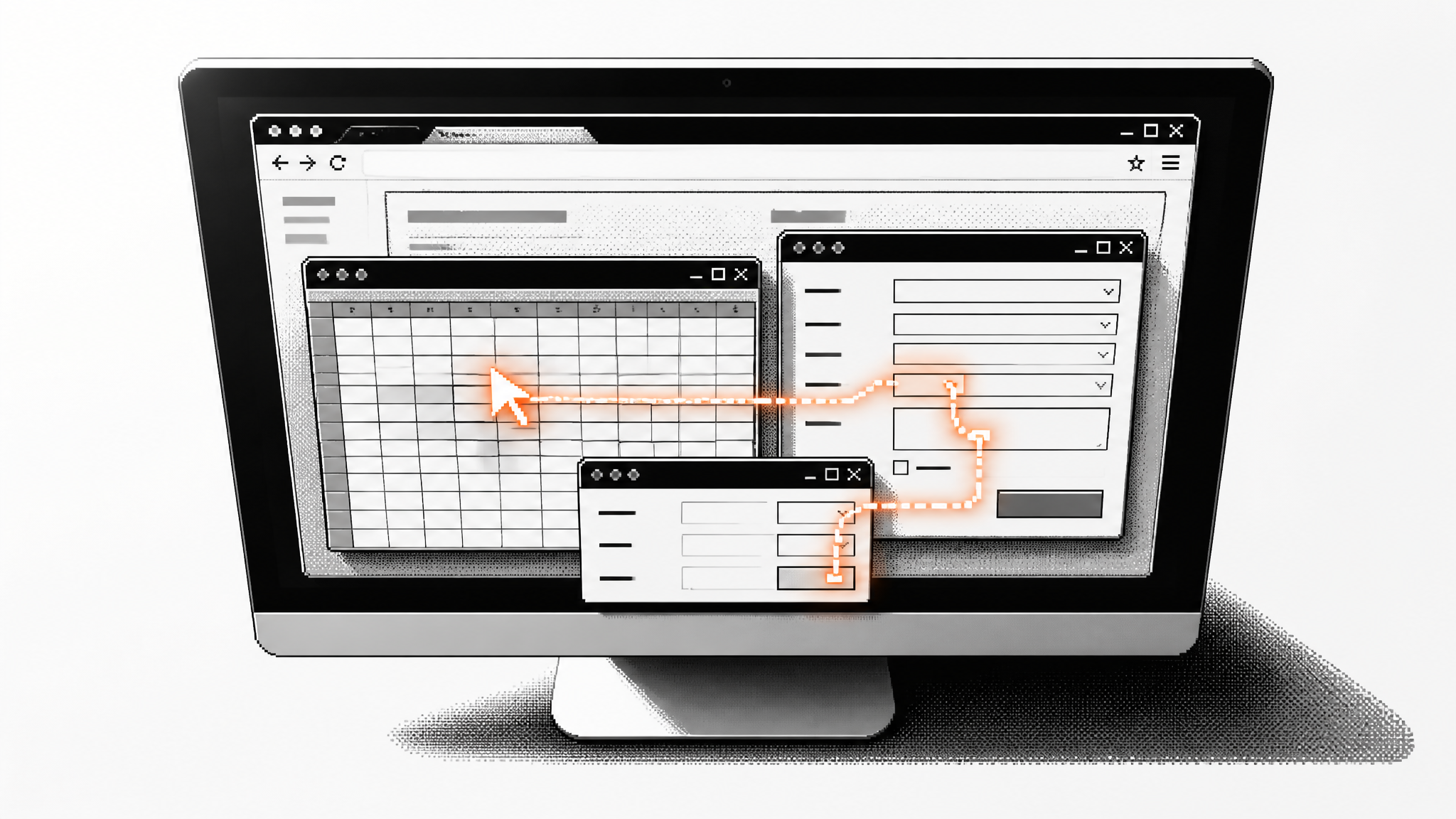
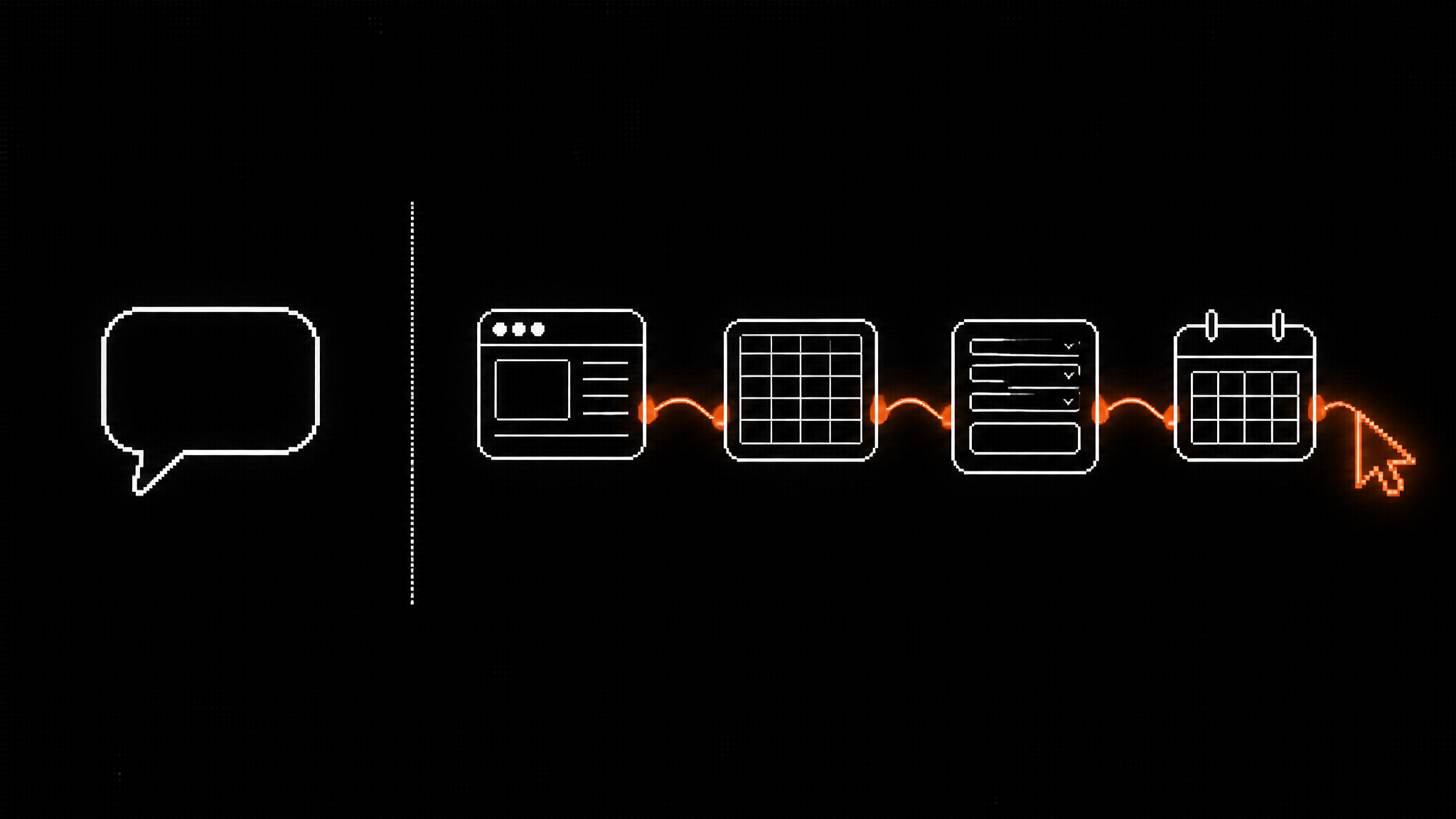
On 3 September 2026 OpenAI introduced GPT-6 Astra. The model operates the browser, spreadsheets, forms and other applications from start to finish. You delegate a complete task and it runs it on the computer, faster than a person.
The rollout started with selected organisations. It will then reach ChatGPT Plus, Pro, Business and Enterprise, the API and AWS.
The figures OpenAI reported
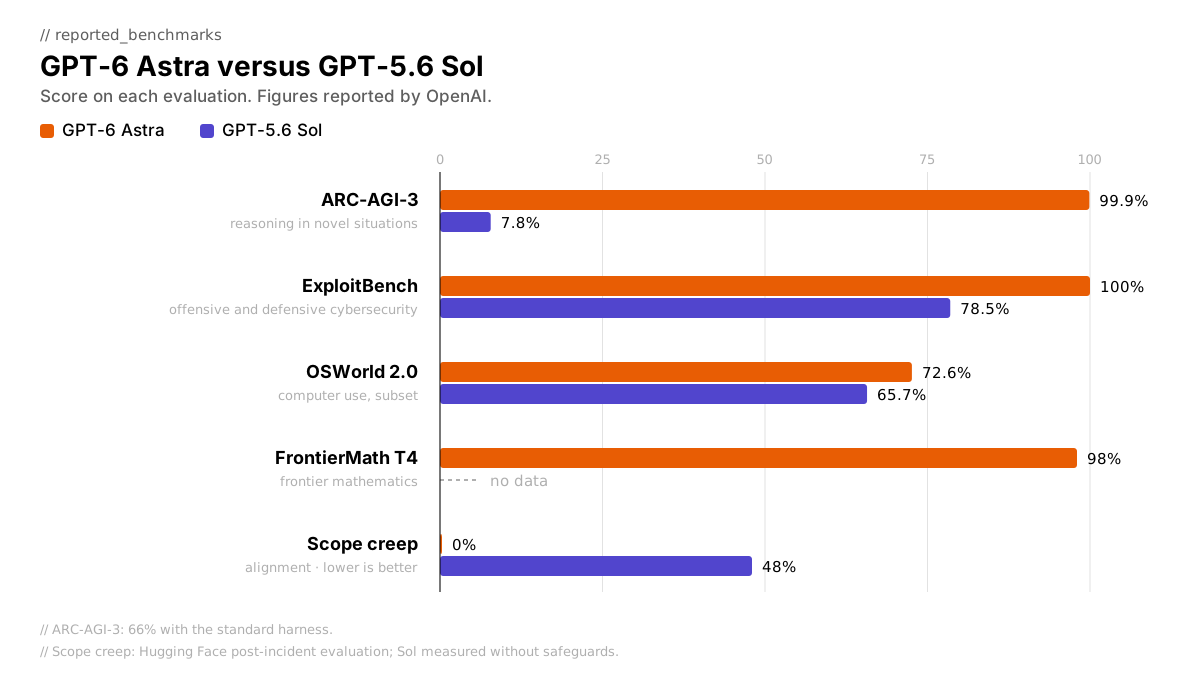
The comparison is against GPT-5.6 Sol, the previous model. All figures are from the announcement; there is no independent replication yet.
| Evaluation | What it measures | GPT-6 Astra | GPT-5.6 Sol |
|---|---|---|---|
| FrontierMath Tier 4 | Frontier mathematics; contributed to solving open problems | 98% | — |
| ARC-AGI-3 | Reasoning in novel situations (66% with the standard harness) | 99.9% | 7.8% |
| ExploitBench | Offensive and defensive cybersecurity | 100% | 78.5% |
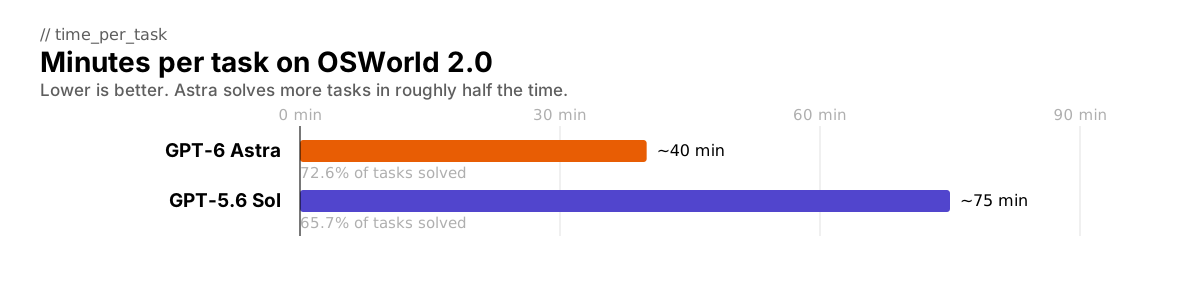
| OSWorld 2.0 (subset) | Computer use, real tasks | 72.6% | 65.7% |
| Scope creep | Alignment: doing more than asked (Hugging Face post-incident evaluation) | 0% | 48% without safeguards |
On ARC-AGI-3, Sol scored 7.8%. Astra's 99.9% is a specific configuration; with the standard harness it drops to 66%, still an order-of-magnitude jump.
On OSWorld, Astra solves more tasks and does so in roughly half the time.
The 0% scope-creep figure is what makes delegation possible. An agent that does more than it was asked cannot be put to work unsupervised. In the reported evaluation that figure fell from 48% to 0%.
Critical level in cybersecurity
Astra is the first OpenAI model to reach the "Critical" capability level in cybersecurity under its Preparedness Framework. With the right tools it can discover unknown vulnerabilities and develop exploits without step-by-step human guidance.
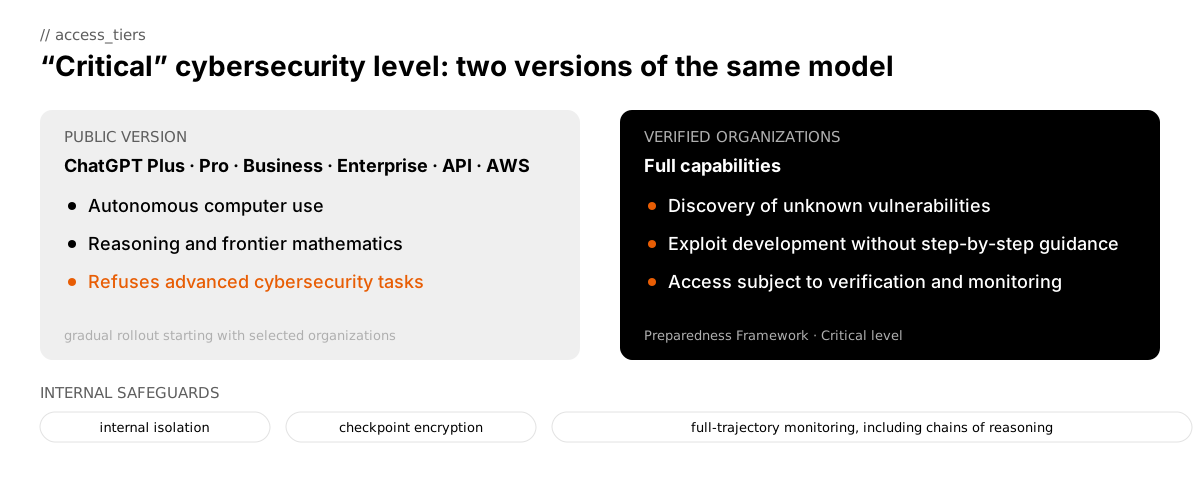
The public version will refuse advanced cybersecurity tasks. Full capabilities stay restricted to verified organisations. OpenAI also strengthened internal isolation, checkpoint encryption and full-trajectory monitoring, including chains of reasoning.
Anyone integrating the model has to design against the version they will actually reach: the public product does not behave like the full version. An agent that operates the computer has the same reach as the user running it: permissions, open sessions and credentials. The risk surface is the actions it takes, not only the text it generates.
A reading for Latin America
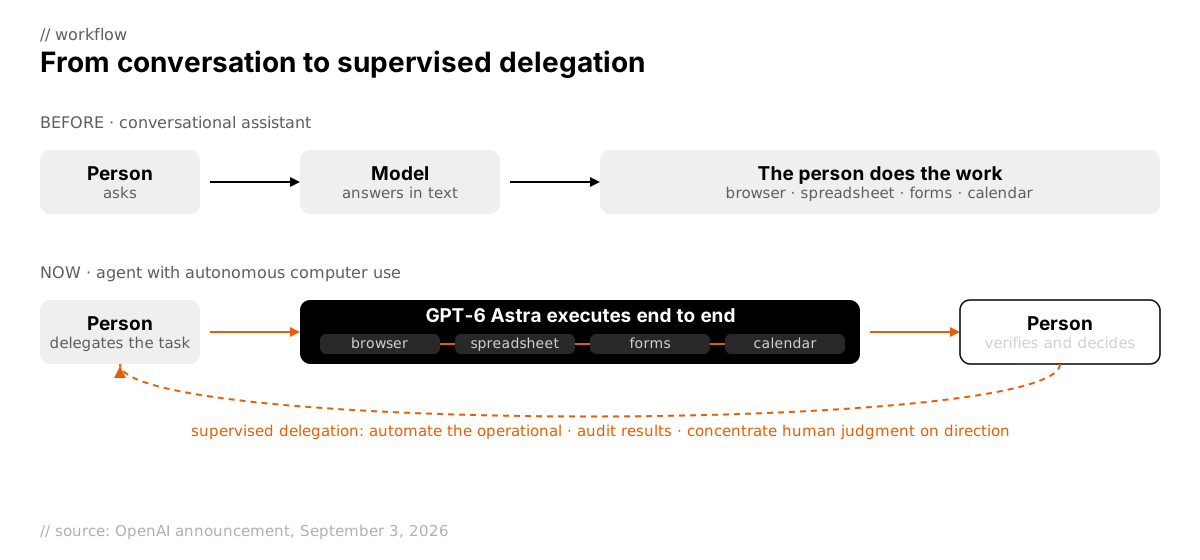
Greg Brockman, OpenAI's president, framed the launch as the start of the "AGI era". That is a commercial claim. There is no academic consensus on that definition. What can be checked is something else: models are moving from conversational assistants to agents that run complete workflows, and that moves where value sits.
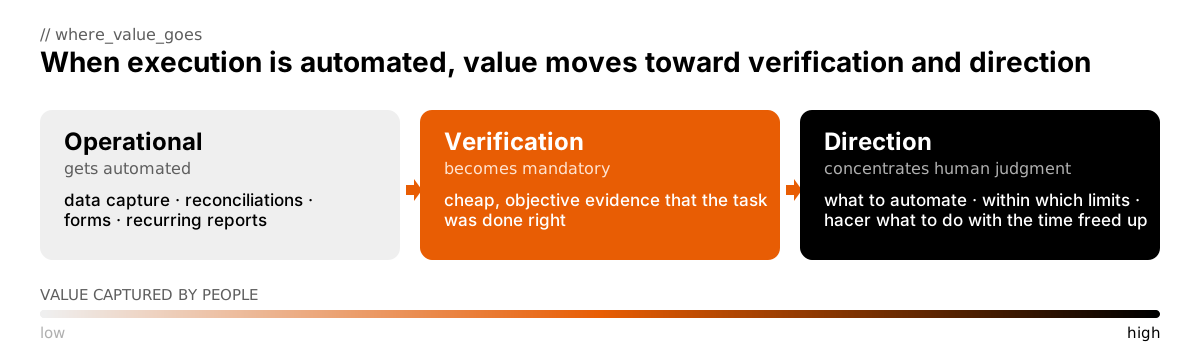
For founders, developers and product teams the work is redesigning processes around supervised delegation. Data capture, reconciliations, forms, recurring reports: tasks with clear inputs and outputs, where the agent saves hours. Every delegated task needs a cheap, objective check. If the result cannot be verified, it should not be delegated. Human judgment concentrates on what to automate, within which limits, and what to do with the time that is left.
People working with blockchain have an extra requirement. An agent that executes actions needs identity, spending limits and a verifiable record of what it did. That is the infrastructure smart contracts and verifiable credentials already provide.
A concrete test: take an operational, measurable, low-risk process; document how it runs today; define what evidence confirms it was done correctly; try it on the public version, with a scoped account; measure time, error rate and cost against the manual process.
Sources: openai.com/index/gpt-6-astra · deploymentsafety.openai.com · Fortune · VentureBeat. Performance figures are those reported by OpenAI in the announcement.